

Frenectomies in Rural Cass County
What Is a Frenulum?
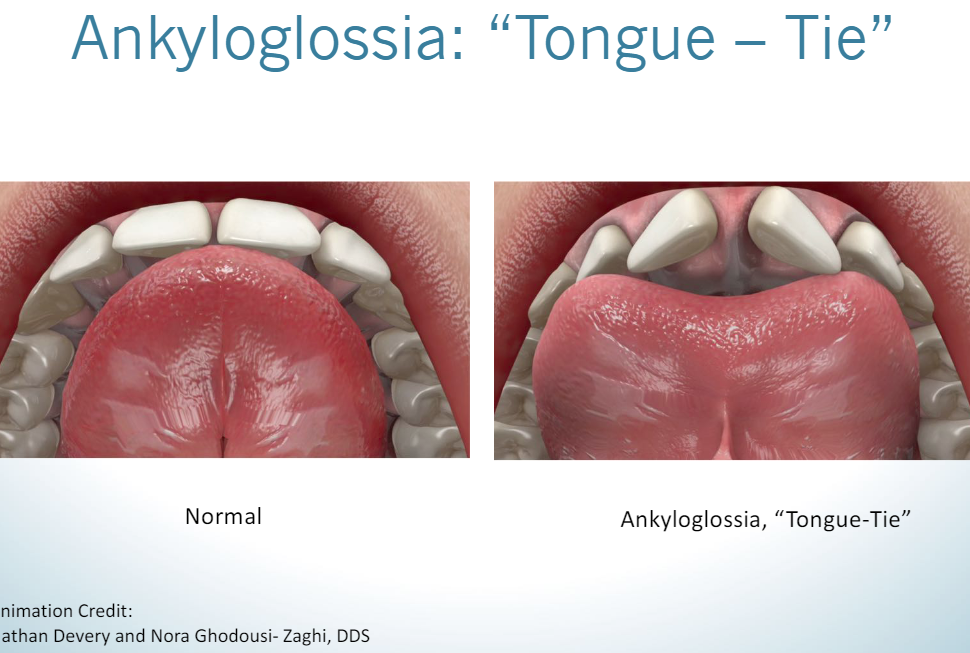
A frenulum is a small piece of tissue inside the mouth that helps guide natural movement. One of the most important is the lingual frenulum, located under the tongue. This band helps support normal tongue motion and positioning as your child eats, swallows, and speaks.
What is a Tongue-Tie or Lip-tie?
Before After
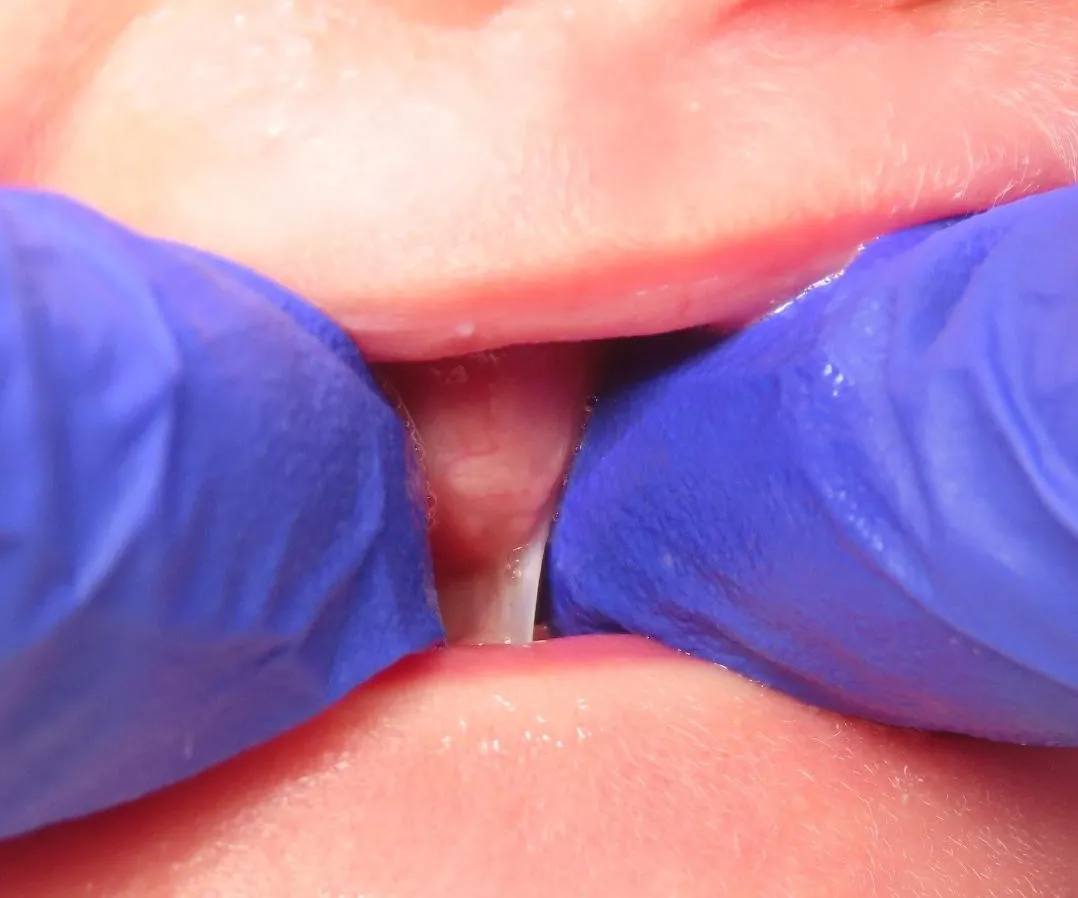
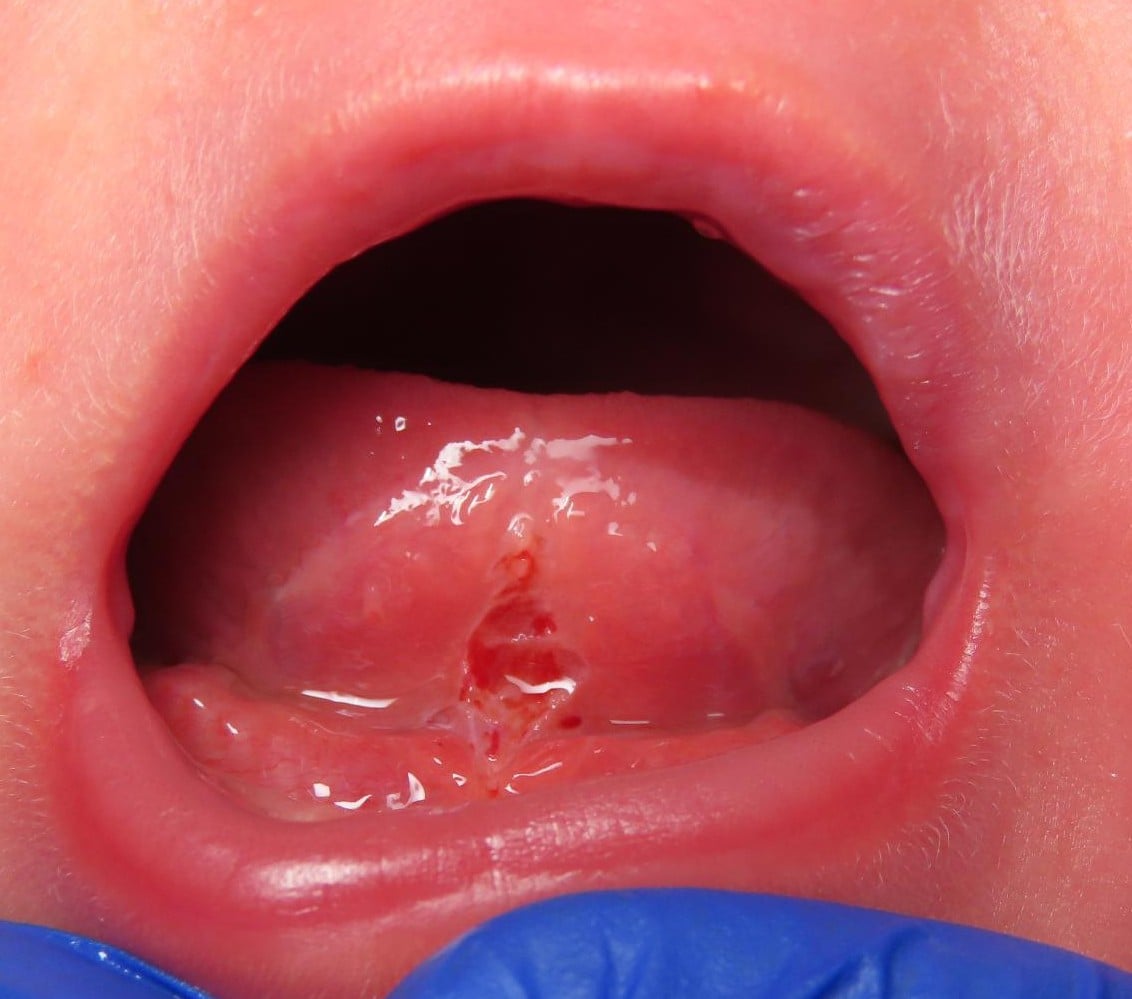
In some babies and children, the frenulum can be too short, thick, or tight.
- When this happens under the tongue, it’s called a tongue-tie.
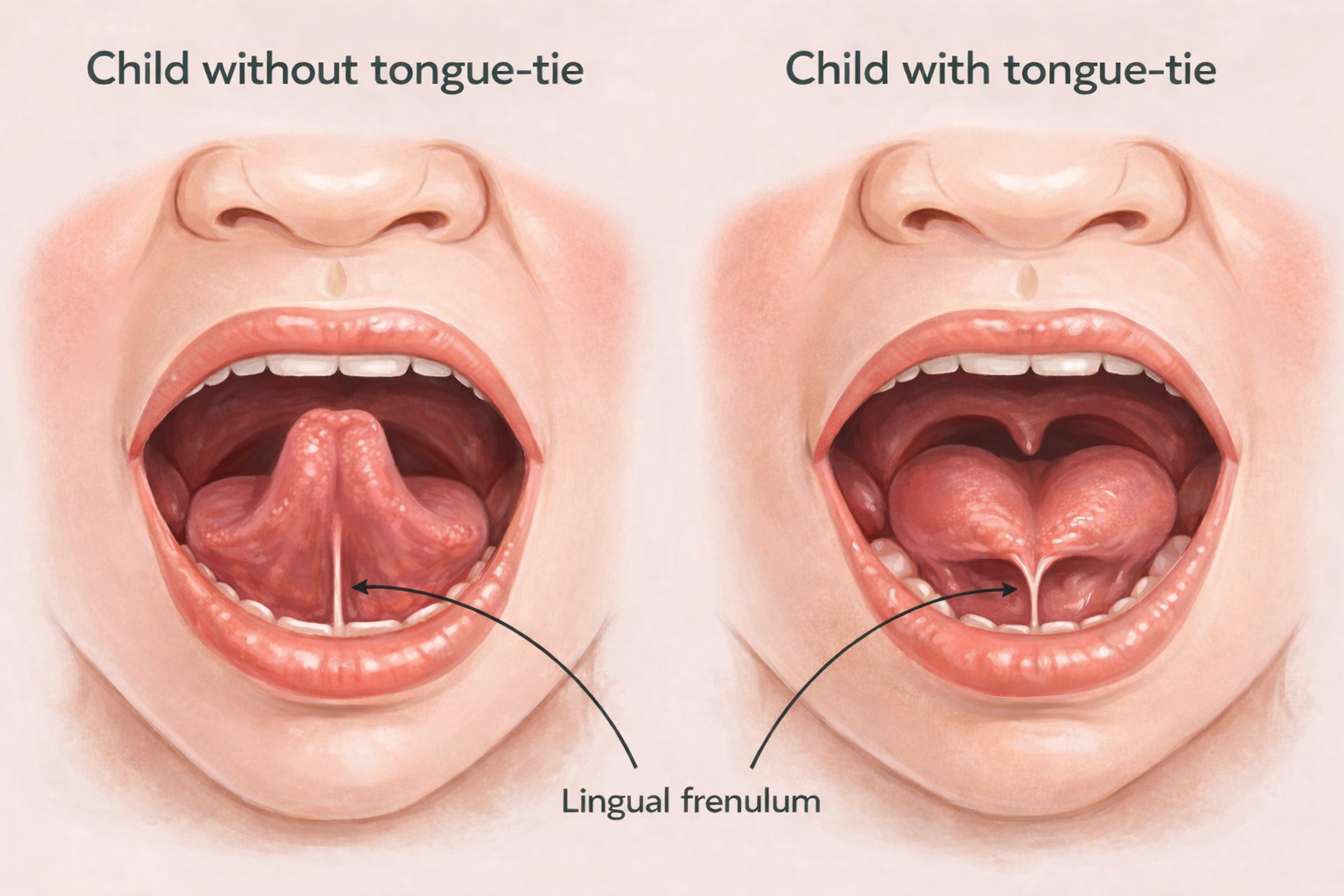
A tongue- or lip-tie can limit movement and may lead to:

- Difficulty breastfeeding or bottle-feeding
- Challenges with swallowing or transitioning to solids
- Speech difficulties later in childhood
- Gaps between front teeth or other orthodontic concerns
- Discomfort or limited movement of the lips or tongue
Understanding these ties early helps ensure your child receives the support they need for healthy feeding, growth, and development
Why Is Tongue Posture Important for Breathing and Facial Development?
The way the tongue rests in the mouth plays a key role in healthy breathing, jaw growth, and overall orofacial development. For proper facial development to occur, the tongue should rest gently against the palate (the roof of the mouth). This position supports normal airflow, nasal breathing, and helps guide the growth of the upper jaw and facial structures.
When the tongue rests where it should, it provides the right amount of gentle, outward pressure to the jaws, teeth, and facial bones. This helps reduce the risk of dental crowding, malocclusion, and underdevelopment of the mid-face.
However, when the tongue has limited mobility—such as with a tongue-tie—children and adults often compensate by mouth breathing. Over time, mouth breathing can contribute to:
- Underdeveloped or narrow facial structure
- Dental crowding or bite problems
- Increased risk of allergies or airway inflammation
- Fatigue, headaches, or anxiety
- Bad breath and higher cavity risk
- Snoring or obstructive sleep apnea
Supporting proper tongue posture promotes healthier breathing patterns and encourages normal growth and development of the face, jaws, and airway.
Infant Tongue & Lip Specialist
Dr. Hagen has completed extensive training in infant airway health and tongue- and lip-tie treatment. He has studied early childhood development and airway function through respected programs such as the Dawson Academy, Airway Health Solutions, The Breathe Institute, and Tufts University. His goal is to ensure that every baby receives gentle, effective care that supports healthy feeding and development.
Paige is both a myofunctional therapist and a lactation counselor. She is passionate about helping mothers and infants feel confident and supported during their feeding journey.
Working together, Dr. Hagen and Paige provide a comprehensive approach to tongue- and lip-tie care — offering guidance before the procedure, gentle support during treatment, and therapy afterward to help your baby heal and function their best. This team-based approach leads to smoother procedures and more predictable, successful results.
We perform all frenectomies using the Biolase YSGG laser, which offers a quick, precise, and gentle release. This advanced laser technology promotes faster healing and reduces bleeding, discomfort, and the risk of infection, helping your baby feel better as soon as possible.
Our Approach to Frenectomy
At our practice, we take a comprehensive, patient-centered approach:
- Expert evaluation: A proper diagnosis includes assessing tissue appearance, tongue/lip mobility, and functional restrictions (feeding, speech, orthodontic alignment). Hagen Dental+2Dentistry For Patients+2
- Gentle, advanced technique: Our frenectomies are performed using a Biolase YSGG laser — a precise, minimally-invasive method known to reduce bleeding, discomfort, and healing time. Hagen Dental+2Schrott Perio Implants+2
- Collaborative post-procedure care: For infants, we work closely with lactation experts or certified feeding therapists. For older patients, speech-language pathologists or myofunctional therapists may be involved, ensuring a comprehensive plan for healing, oral function, and long-term comfort. Hagen Dental+2Harlem Dentistry+2
Is Frenectomy Right for You or Your Child?
If you notice any of the following, a consultation may be warranted:
- Difficulty breastfeeding or bottle-feeding (for infants)
- Repeated lip or tongue tethering, or discomfort with lip/tongue movement
- Speech articulation issues potentially related to restricted tongue mobility
- A persistent gap between the front teeth, gum recession, or discomfort with orthodontics/dental appliances
How Can a Tongue Tie Affect Breast And Bottle Feeding?
During feeding, the tongue needs full range of motion to elevate and cup around the breast/bottle to both draw milk and protect the mother’s nipple or bottle.
Restricted tongue range of motion can lead to difficulty achieving and maintaining a good latch. Infant may slide off nipple or break seal frequently. They may also have difficulty creating adequate suction to feed effectively or may swallow air while feeding leading to gas/discomfort.
It is also important to note that painful breastfeeding and/or compensations by mother trying to get infant to feed are both signs of tongue tie.
What Is a Labial Frenulum?
The labial frenulum is the connective tissue that attaches the top part of the lip to the gum area above the top two front teeth.
What Is a Lip Tie and How Can It Affect Feeding?
Before After
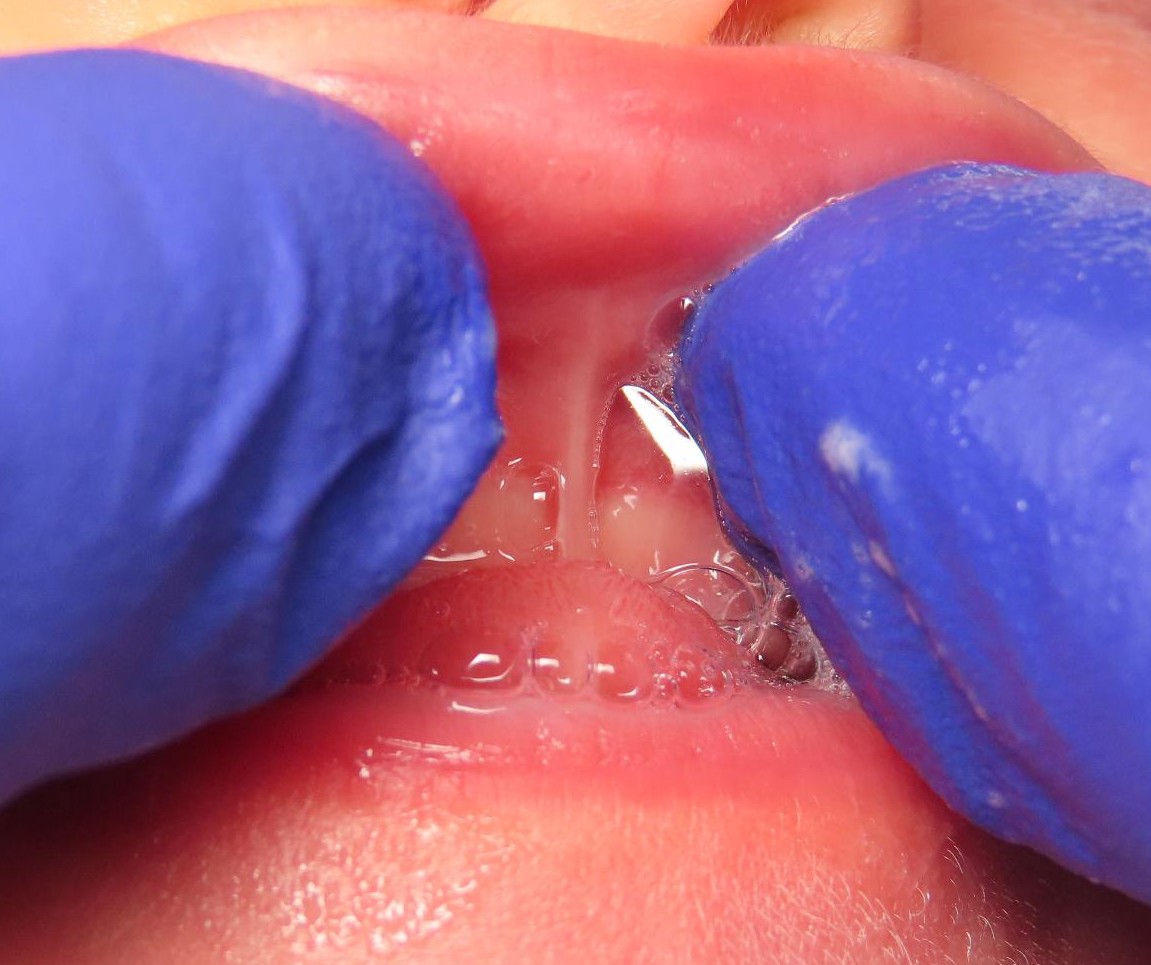
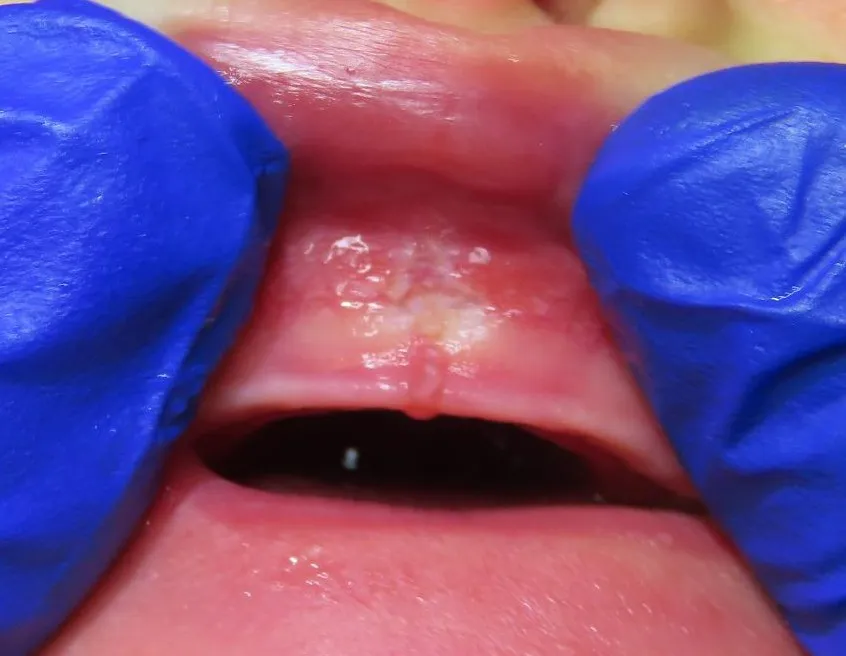
An abnormal length labial frenulum can wrap tightly around the alveolar ridge or gingiva and cause discomfort or restrict mobility of the upper lip.
The upper lip must be soft and move freely to help create a good seal around the breast or bottle.
An upper lip tie can affect a child’s comfort when feeding or cause tearing of the tissue.
Why Is Tongue Posture Important For Breathing And Orofacial Development?
In order for direct vision and the amount of inward airflow to be used for proper facial development, the tongue must maintain a proper rest posture on the palate. The airway, jaw, and teeth are all affected by tongue posture.
Proper tongue posture allows for the right amount of outward pressure applied to the jaws, teeth, and facial bones to lessen the malocclusion or underdevelopment of the mid-face.
When the tongue has a limited range of motion, individuals will compensate by mouth breathing, which can encourage facial underdevelopment and chemical changes such as allergies, anxiety, headaches, cavities, halitosis, and even obstructive sleep apnea.
Infant Tongue & Lip Specialist
Dr. Hagen has focused many hours of continuing education on airway health and treatment of ankyloglossia. He has taken extensive courses focusing on early childhood development and airway health through the Dawson Academy, Airway Health Solutions, The Breathe Institute, and Tufts University.
Paige is a myofunctional therapist and lactation counselor. Her passion is helping mothers and infants with lactation care.
Together, Dr. Hagen and Paige are able to provide frenectomies with both pre- and post-therapy. Myofunctional therapy has also allowed our frenectomy procedure to go smoothly with successful and predictable outcomes.
Our fenectomies are completed using a biolase YSGG laser for a quick, precise, and gentle procedure. The laser promotes rapid healing and minimizes the risk of bleeding, discomfort, or infection.
Collaborative Care Treatment Approach
Before having a tongue or lip tie evaluation, children should be assessed by an International Board Certified Lactation Consultant (IBCLC) or feeding specialist (a trained SLP or OT)
Lactation consultants are experts in guiding mothers throughout their feeding journeys and addressing concerns regarding milk supply, latch comfort, breast and bottle feeding techniques, infant feeding patterns, positioning and so much more.
Some speech language pathologists or occupational therapists have special training to become experts in pediatric feeding and swallowing. They can assess and address concerns regarding oral tone, strength and oral motor coordination in infancy and childhood.
Working with a functional specialist provides important insight on oral reflexes, postural habits, and speech ( if age appropriate) to help differentiate and diagnose the root cause of the child’s symptoms or to clarify a potential link between a short frenulum and the symptom presentation.
A tongue or lip tie release (called a frenectomy) is a minor surgical procedure that removes the tight frenulum, allowing for improved range of motion and flexibility. Because the frenectomy addresses an anatomic limitation, it aids in shifting the physiology in order to reduce or eliminate symptoms.
Ready to Schedule a Consultation?
Drs. Hagen or Bartholomew offers a number of dental treatments that can keep your mouth healthy and your smile beautiful. Contact us today!